Manifesto Poetico
Cart 0

THE RESEARCH


Manifesto Poetico is an international long-term laboratory for the research and creation of new theatrical languages. The work explores how space, movement, mask, structure, and collective imagination can generate theatre and shape the relationship between performer and audience.

At the centre of this research is Spatial Dramaturgy—an ongoing investigation into space as an active element of theatrical language, developed by Carlos and anthropologist and artist Paige Allerton.


CarlosVolume1.jpg

RESEARCH TERRITORIES

The research moves through different territories.

They are not separate disciplines, but interconnected areas of investigation that continually influence one another.


SPATIAL DRAMATURGY

Theatre through space, structure and movement.
A theatrical language that connects everything.

What happens when space is no longer a container for theatre, but becomes part of the dramaturgy? Spatial Dramaturgy explores the relationship between body, structure, movement, rhythm, and space as active elements of storytelling.

In this approach, the space can resist, support, transform, or respond to the performer, becoming architecture, a partner, an obstacle, a landscape, or a driving dramaturgical force. Developed through years of research and collaboration, Spatial Dramaturgy is now one of the central languages of Manifesto Poetico. [Explore Spatial Dramaturgy]


MASKPOETICA

Contemporary Commedia dell'Arte

A contemporary approach to the mask and Commedia dell'Arte, rooted in the search for the tragic human dimension within comedy, MaskPoetica explores the mask as a transformative structure. This approach serves as a way of entering another state of presence, perception, and relationship with the audience.

The roots of this research began with a provocation from Jacques Lecoq in 1998, who asked: “Could you seek the tragic depth that exists in Commedia dell'Arte?” Today, that profound question continues to guide the investigation. [Explore MaskPoetica]


ARCHITECTURE OF GESTURES

The body as spatial language

A gesture does not exist only in the body; it creates dynamic relationships with space, objects, other bodies, and the audience. To explore this potential, Architecture of Gestures investigates how physical action can generate structure, rhythm, tension, and meaning.

The roots of this research began through Carlos' work with Jacques Lecoq. It was further developed through his long collaboration with mask sculptor Donato Sartori and the study of the Anthropology of the Mask. [Explore Architecture of Gestures]


THE SPACE OF COMEDY

Composing comedy beyond the gag

Comedy is not simply about making people laugh; it can reveal human behaviour, contradiction, desire, failure, and vulnerability. By moving beyond simple amusement, comedy becomes a powerful lens for deeper human observation.

To explore this potential, The Space of Comedy investigates how comedy can be composed through rhythm, space, physical action, structure, and the relationship with the audience. This research looks for the place where play and celebration can coexist with complexity, tension, and even tragedy. [Explore The Space of Comedy]


BOUFFON

At the threshold of consciousness

Bouffon opens another territory of relationship with the audience. Through distortion, excess, observation, and transformation, the research investigates what happens when the performer stands at the edge of what is socially acceptable.

Rather than reproducing a traditional bouffon form, this exploration focuses on its potential as a contemporary theatrical language. Unfolding into a territory balanced between laughter and discomfort, recognition and distance. [Explore Bouffon]


CONTEMPORARY TRAGEDY

In search of balance. In search of unity.

Tragedy is not necessarily a genre; it can be a fundamental condition of being human. We know that we are alive, and we know that we will die, and between these two facts exists an immense territory of desire, conflict, love, fear, celebration, and loss.

To capture this essence, this research looks for contemporary forms through which that tension can become theatre. Ultimately, it remains a continuing search for balance—and for unity

[Explore Contemporary Tragedy]


INSIDE THE MASK

Mask-making, abstraction and embodied form

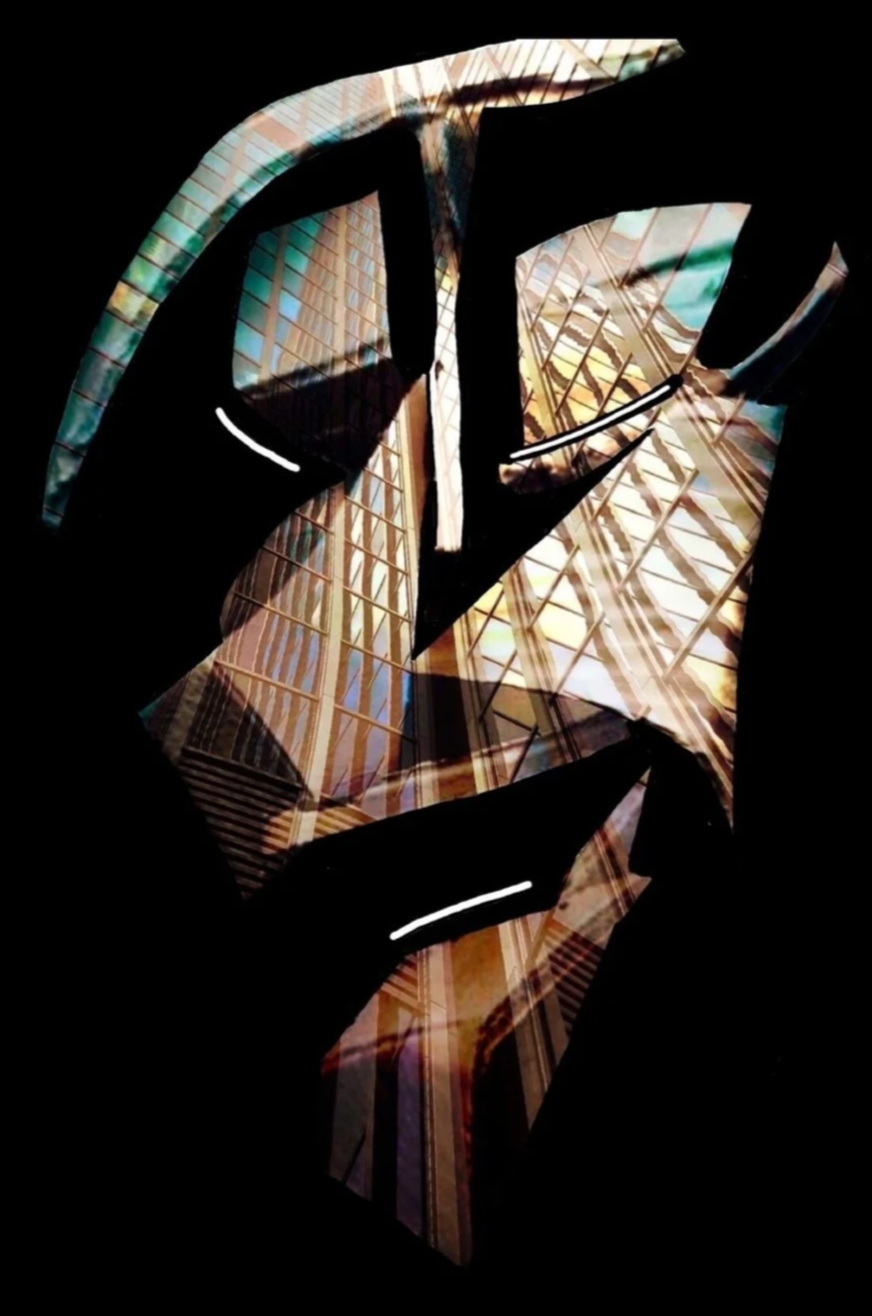
An exploration of how mask, movement, structure and abstraction come together to generate new forms of theatrical expression.

[Explore Inside The Mask]

unsplash-image-lECj_ApWuVs.jpg

THE PRACTICE

Our Approach

Our research and practice draw on field observation, interdisciplinary research, and an anthropological approach to understanding people, places, and lived experiences. By engaging directly with these realities, we weave together movement, spatial composition, architecture, gesture, and theatrical practice.

We Look At

  • PEOPLE: Stories · Behaviours · Relationships

  • PLACE: Spaces · Environment · Daily Life

  • EXPRESSION: Gesture · Language · Rhythm

  • EXPERIENCE: Worries · Desires · Memories · What Remains Unsaid

We listen not only to what is said, but to what is expressed through the body,
the space and the collective.

 
SD-Groningnen2.jpg
 

THEATRE FOR AND WITH THE PEOPLE

We create theatre for and with the people.

Our work does not follow a fixed formula or style. Each project emerges from its context, the people involved, and the questions that arise through the process.

The audience is not simply a spectator. Through movement, space and imagination, the audience becomes part of completing the theatrical experience.

ORIGINS & HISTORY

Carlos García Estévez's research began in 1998, following a provocation from Jacques Lecoq to explore the tragic depth of Commedia dell'Arte and mask performance.

Through his encounters with the work of Dario Fo and Donato Sartori, and later through his collaboration with Sartori, Carlos developed research into Contemporary Commedia dell'Arte, Architecture of Gestures and the Anthropology of the Mask.

This research eventually led to the creation of Manifesto Poetico and expanded from the mask and the body into the relationship between body, structure and space — contributing to the development of Spatial Dramaturgy.


EXPLORE THE WORK

Discover the laboratories, performances and
collaborative projects where this research becomes practice.


IMG_3360.png